

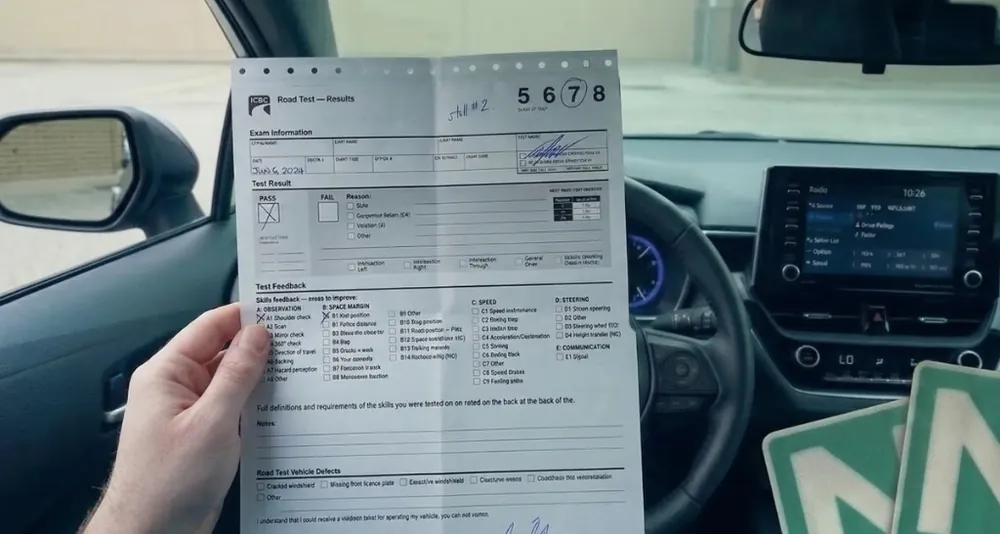
After a test
Result Sheet Decoder
Decode your ICBC result sheet section by section: feedback areas, common mistake patterns, and the next steps to practise.
Open Result Sheet Decoder →Understand your ICBC road test before and after exam day: interactive tools, straightforward guides, and short videos for BC drivers.

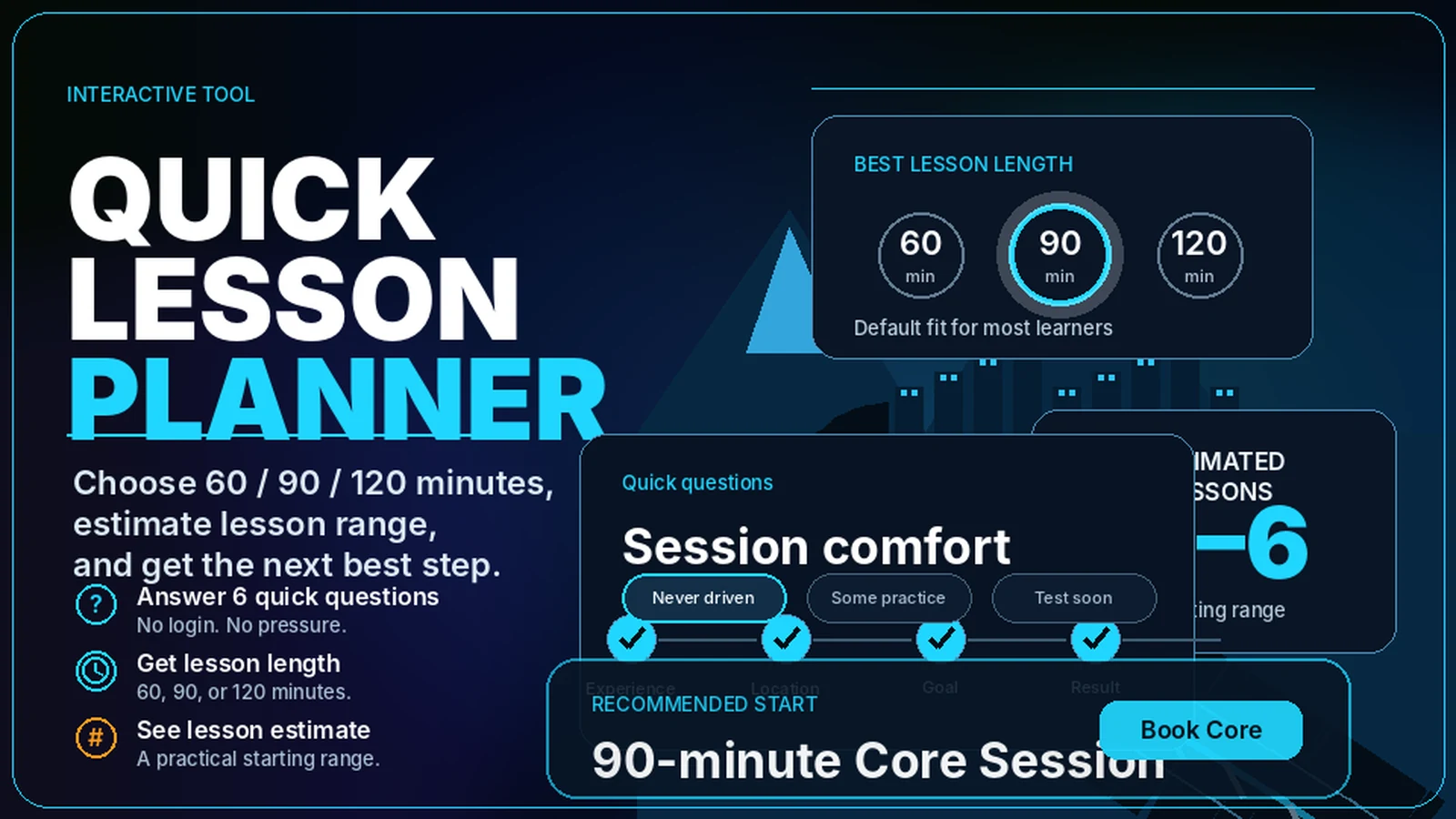
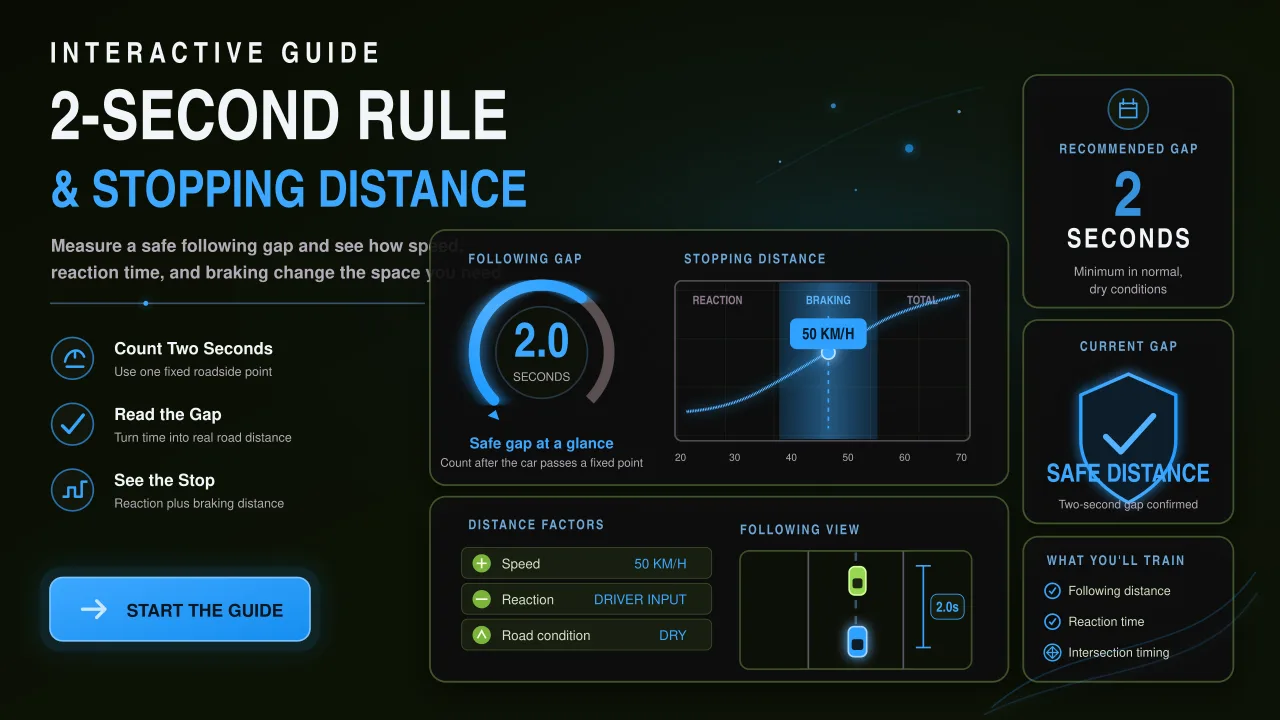
Browse plain-English guides, short videos, and local Chilliwack notes to help you prepare for your ICBC road test.
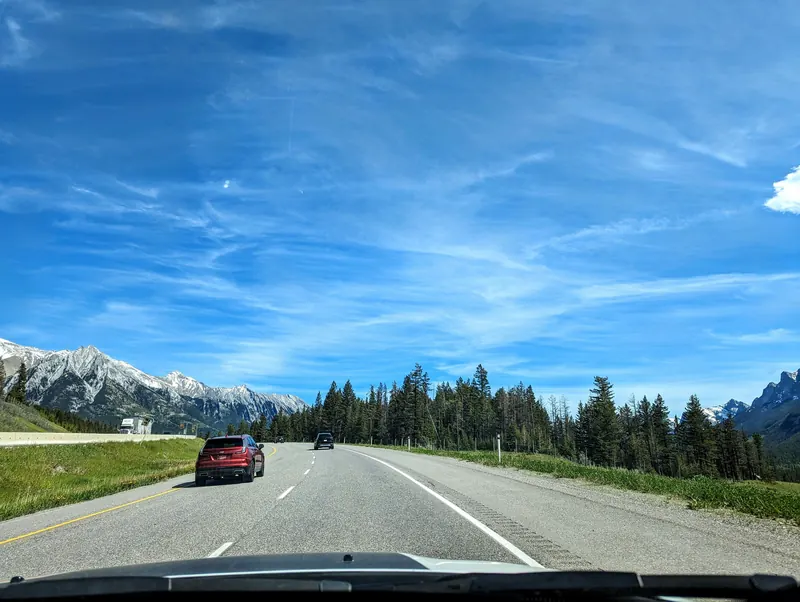
When a new driver is ready for the freeway, what a highway lesson covers, and how confidence is built.

Ramp speed, gap selection, shoulder checks, and the mistakes that make merging feel dangerous.
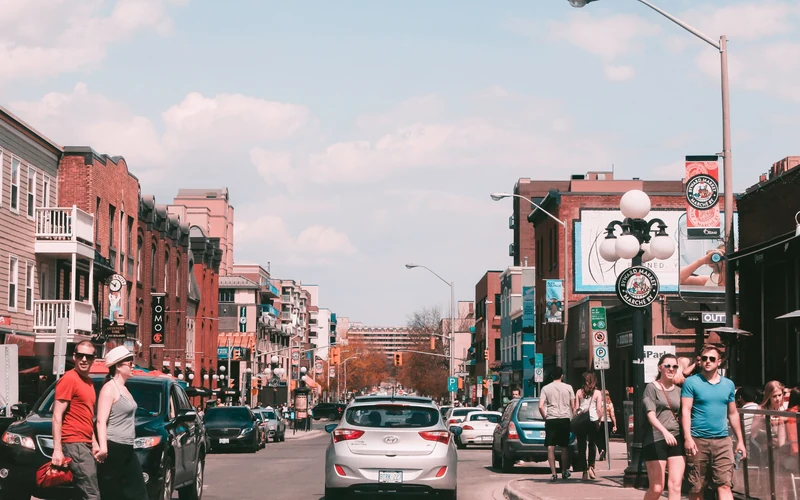
Avoid the Chilliwack road test mistakes students repeat most often, from shoulder checks to speed choice and stop position.
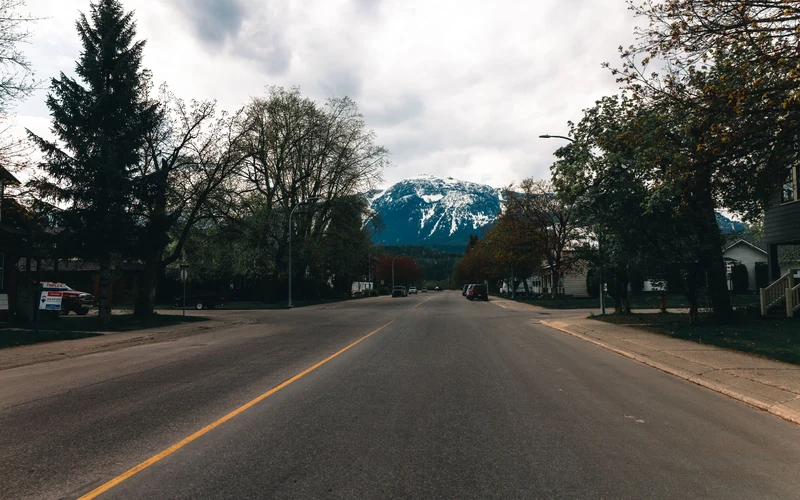
A practical Class 7 road test guide for BC learners preparing for the N test in Chilliwack.
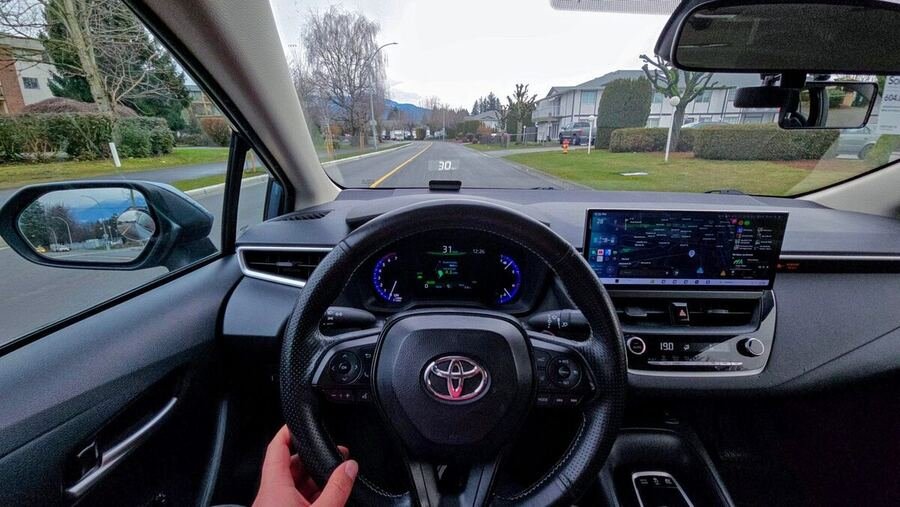
No experience needed. What actually happens on lesson one: quiet streets, dual controls, and why you'll drive on day one.
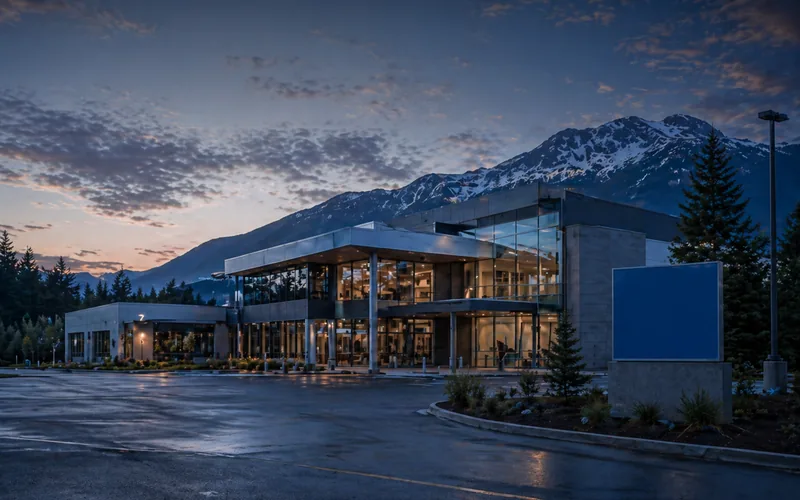
The Class 5 road test is being replaced by a Driving Record Assessment. What changes, who qualifies, and what happens to booked tests.
Understand the BC Class 5 road test, readiness signs, and how to prepare as an experienced N driver.
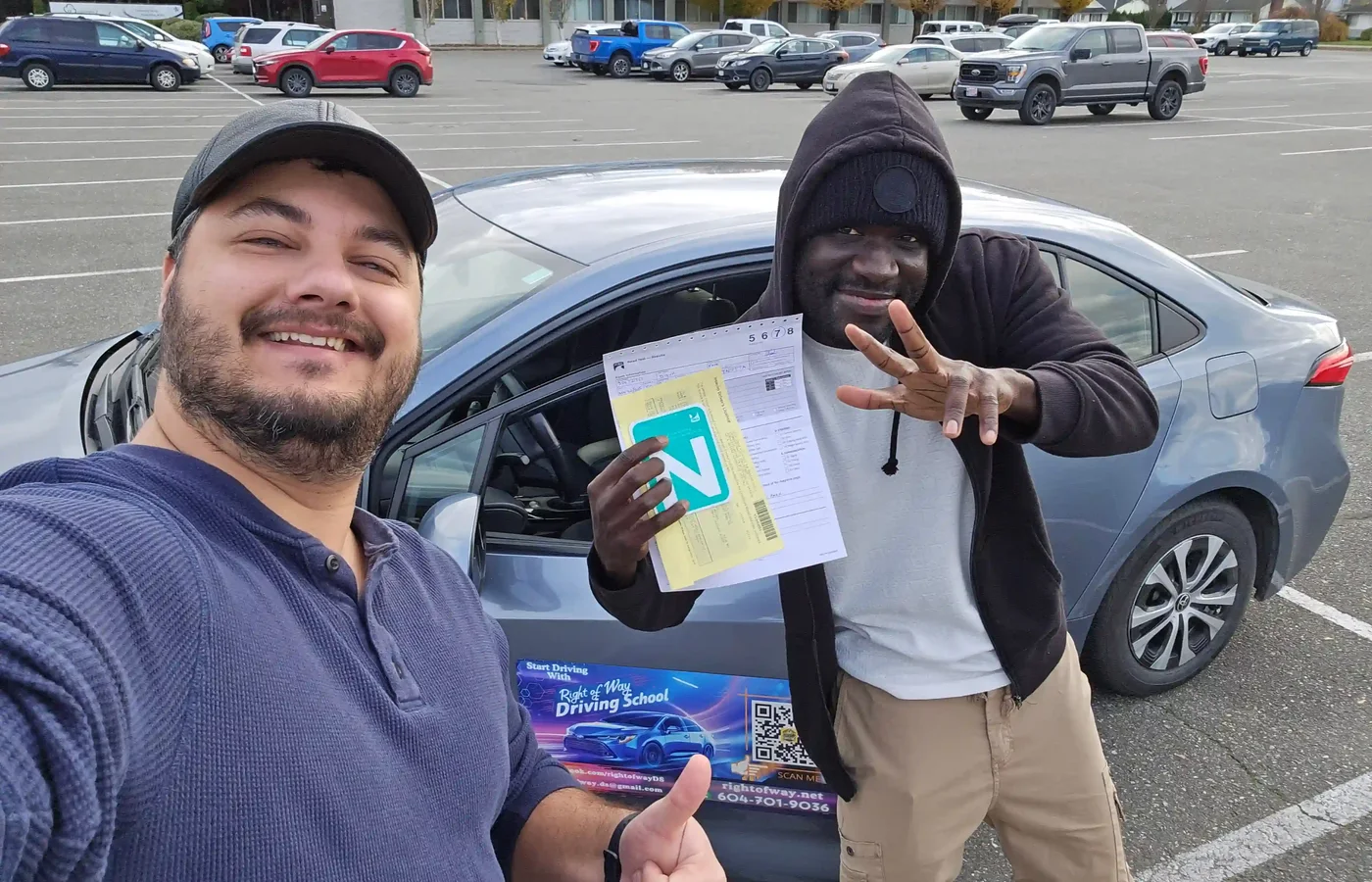
What the examiner evaluates at the Chilliwack office, the mistakes that cost the most, and how to structure practice.
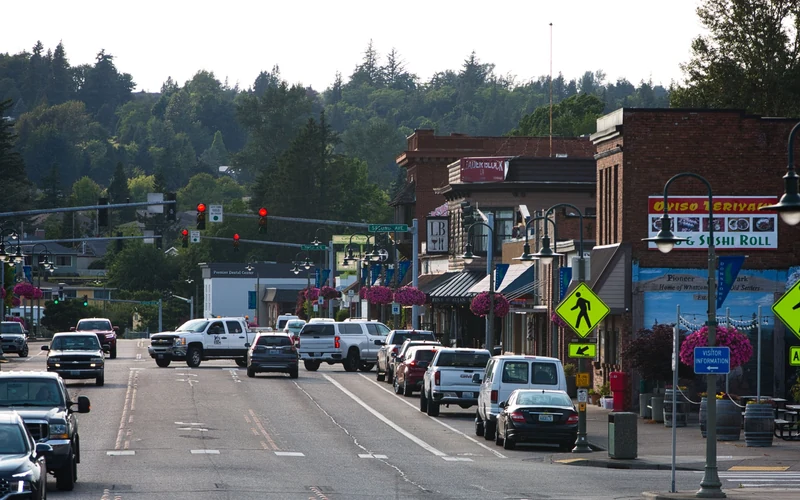
The Chilliwack driving environments worth practising before test day: school zones, hills, intersections, and parking areas.
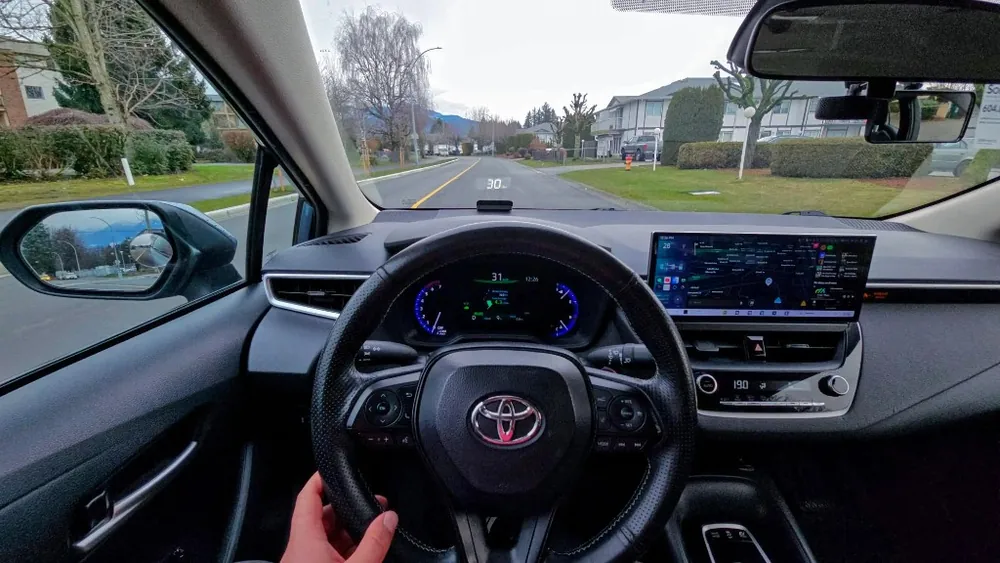
Two different 30 km/h rules, two similar signs. When each zone applies and how examiners mark the mistakes.
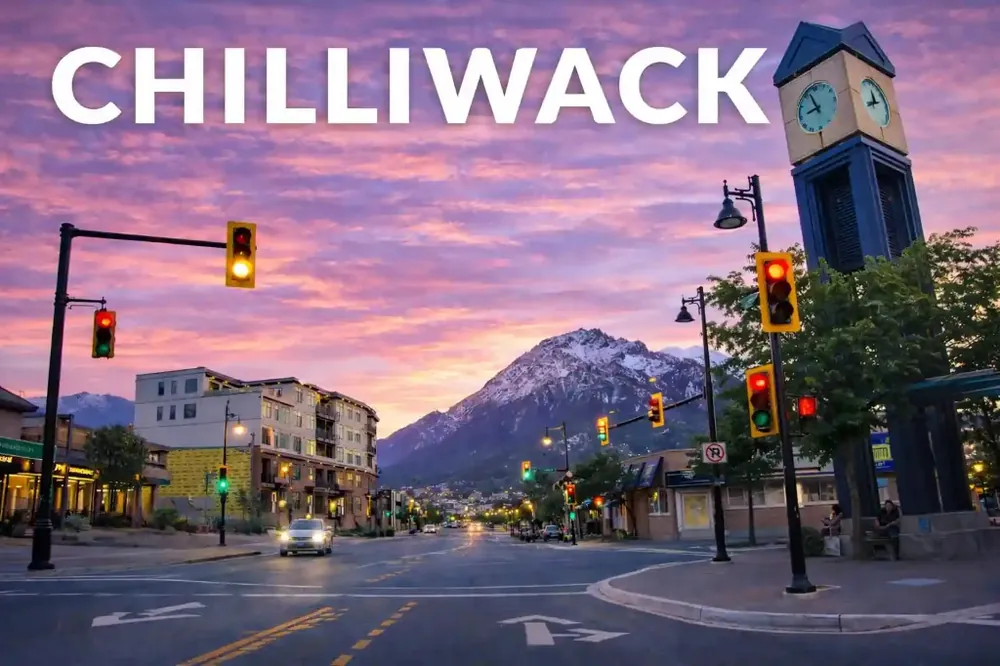
Who goes first at every kind of stop, the left-turn tie-breaker, and how to stop hesitating.
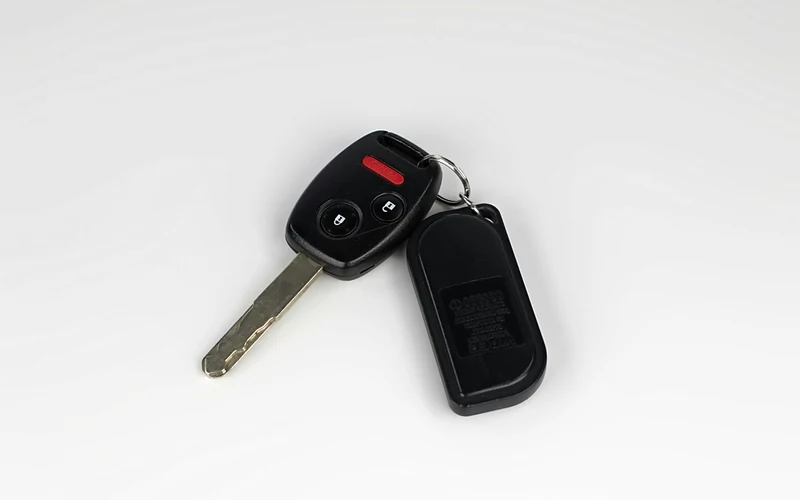
Know what to bring, what to check, and how to prepare on ICBC road test day in BC.

A practical guide to shoulder checks, blind spots, 360 checks, and observation routines for the ICBC road test.

Learn how to practice parking for the ICBC road test without turning it into memorized tricks.
Failed an ICBC road test? Learn how to read feedback, plan practice, and prepare for the next attempt.
Honest ranges for new and experienced drivers, what changes the number, and how to find yours in one drive.
The 50-question knowledge test, how to study for it, and what to do in the first weeks after you pass.
One skill at a time, calm feedback, and what to leave to the instructor. How family practice actually works.
60, 90, or 120 minutes? How to pick the session length and package that fits your goals.
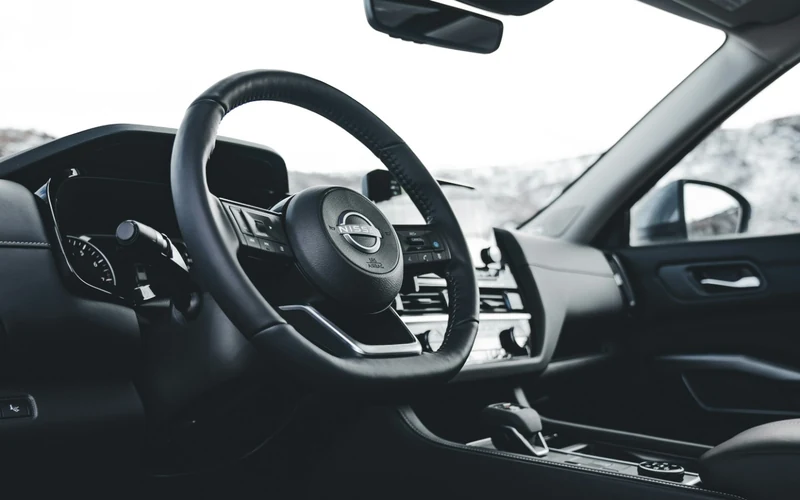
Not sure whether to book a road test car rental, warm-up, Exam Simulation, or lesson? Use this guide.
Right of Way note: start here for the official overview of check-in, vehicle expectations, and what happens on test day.
Right of Way note: useful for spotting broad test-day habits. Pair this with our result sheet decoder to connect tips to A/B/C/D/E feedback.
Right of Way note: watch for timing. This connects directly to A1 Shoulder Check and A3 Mirror Check on the ICBC sheet.
Right of Way note: focus on stop position, pedestrian scan, shoulder check, turn speed, and whether the turn finishes in the correct lane.
Right of Way note: use this for gap choice, lane position, observation, and not rushing the turn when traffic pressure builds.
Right of Way note: watch the gap choice, pedestrian scan, lane position, and yellow-light decision. This connects directly to B4 Gap, B6 Turn Position, and C3 Amber Light.
Right of Way note: focus on full stop, stop position, left-right scan, pedestrian check, and turn path before moving into the intersection.
Right of Way note: use this with C2 Rolling Stop and B10 Stop Position. A full stop is only part of the skill. The scan and timing matter too.
Right of Way note: connect this to B13 Parking Margins and A4 360° Check. Parking is not just position. Observation matters too.
Right of Way note: treat this as a safety-pattern video. Compare it with Dangerous Action, Violation, and repeated skill feedback on your sheet.